We know you want to look after your home, but sometimes it can be difficult to know what you need to do and when.
This page explains what home maintenance is, why it is important and gives you tips on what you need to do. It also explains what it means when you need to complete maintenance as part of the claims process.
Naturally over time, our homes and our contents experience wear, tear, and gradual deterioration. Some examples include:
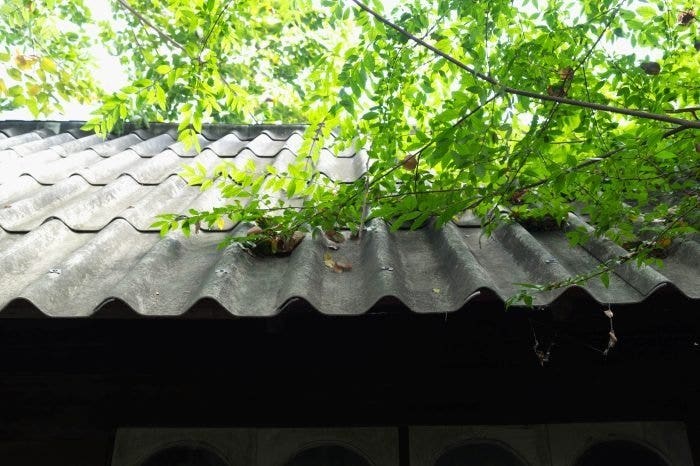
- weathering of roof tiles and roof ridge capping, as well as cracked or missing tiles, and deterioration of roof pointing and bedding,
- rusting roof sheets, gutters and downpipes,
- cracked or missing bricks, mortar, or concrete,
- wood rot in windows and door frames,
- deterioration of electrical wiring and electrical items, including light switches and stove elements,
- tiles and the adhesive or grout breaking down, and
- deterioration of tap seals.
Maintenance is all about you taking proactive and regular steps to protect your home and keep it in good condition. It can improve the resiliency of your home and could prevent damage and costly repairs.
Your Product Disclosure Statement explains it is your responsibility to maintain your home. This may include:
- keeping your home structurally sound, watertight, and secure,
- fixing any inherent defect, faulty design or poor workmanship and structural defects or faults as soon as possible after you identify it or someone mentions it to you, and
- ensuring your home and contents stay in good condition.
When you do not meet your responsibility to maintain your home, damage may occur. This can impact on your policy and claim coverage.
Please check the Product Disclosure Statement for more information about your responsibilities. You can find it on our websites or call us for a copy.
Every twelve months you change your smoke alarm batteries to make sure they work. Similar to this, it is important to check your home regularly, even if there have been no issues.
Remember it is your responsibility to maintain your home. If you do not, damage may occur. This can impact on your policy and claim coverage.
To get you started, here are some tips. You could complete these at least once a year, and ideally before storm and bushfire season.
- Regularly check your gutters and drains and remove debris. This could help direct water away from entering your roof during heavy rain and storms. Removing debris and kindling could also help reduce fuel load for house and bushfires.
- Get your roof, gutters and downpipes checked. Overgrown moss, built-up debris, rust, deteriorated pointing, or fallen branches could cause damage to your roof. This could lead to leaks, blockages or overflow from rain or storms. Cracked and shifted tiles or rust can allow water to enter. If you can see any issues or it has been three to five years since a professional inspection, please consider calling a licensed tradesperson.
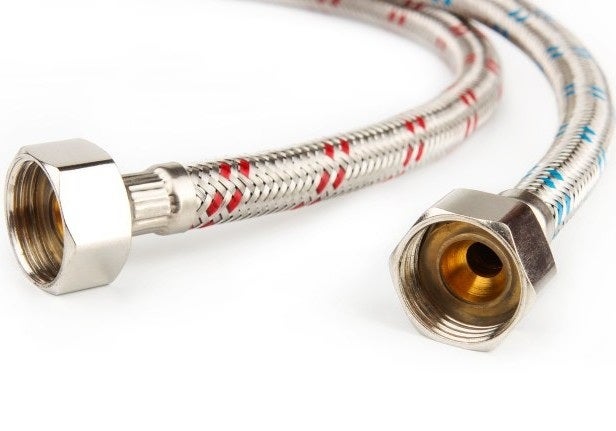
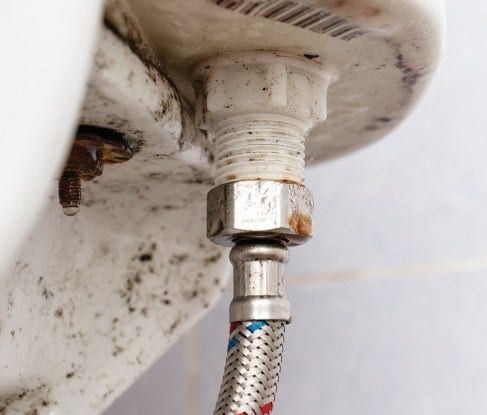
- Check the condition of your plumbing regularly. Check tap fittings, visible pipes, and flexible braided hoses, known as flexi hoses, for drips. With flexi hoses, also look for any signs of corrosion, rust, twisting, tension or fraying to the stainless-steel pipe and connection points. Wipe flexi hoses down with WD40 multi use product on a cloth to deter rust. If the cloth catches, this could mean the steel braiding is starting to fray. Please consider replacing the flexi hose. Also make sure you check the manufacturers recommendation on when to replace your flexi hoses. Blocked sewer and stormwater pipes could also cause overflow leading to damage.

- Monitor your water usage and bill. If it seems unusually high or your water meter turns over when you have turned off all waterusing fixtures in your home, this could be the first sign of a leak. It is important to detect signs of water leakage early to help stop damage and mould forming.
- Turn off the water mains. When you go on holidays, consider turning off the water mains to prevent water leaks.
- Ensure adequate ground drainage. Water can seep into your home when it pools next to external walls. This could be due to things like garden beds, inadequate drainage, and water proofing. Ensuring appropriate drainage may help water run away from your home and help prevent damage.
- Look for visible water damage. Inspect your ceilings, walls, and floors to check for leakage. This could look like a brown or rustcoloured stain. Leaving this unattended can result in further damage to your home and cause mould.
- Check for termites. Some signs your home may have termites include mud tubes, power short circuits, floor, or ceiling damage, and cracked paint or plaster on walls. Consider contacting a professional pest controller to conduct regular checks to help prevent termites in your home.
- Check regularly for common issues. This includes window seals, and bathroom sealants, grouting and tiles for cracking and deterioration.
- Act immediately. If you notice something at your home that could be a maintenance issue, act immediately. This will help you avoid bigger issues at a later time.
It is your responsibility to maintain your home. After you have lodged a claim, our assessors and builders will visit your home to assess the damage.
At this time, they may find maintenance issues that need to be fixed for repairs covered by your home insurance policy to be completed. You may need to fix these issues before our builders can start work on these repairs.
Your Claims Manager will let you know if you need to fix any maintenance issues after we have assessed the damage to your home.
You can complete simple maintenance such as cleaning gutters or drains yourself if it is safe to do so. Please call a licensed tradesperson for simple maintenance if needed and for complex maintenance. This includes checking your plumbing, waterproofing, electrical work, and roof.
You must make every effort to fix any maintenance needed for the repairs you are claiming for to be completed and understand when you need to complete them by. We may not cover further damage to your home if there are outstanding maintenance repairs. There can also be impacts on your policy and claim coverage.
Please let your Claims Manager know when your maintenance is complete, so we can begin repairs on your home.
If you disagree with our maintenance advice you can provide your own builder’s report for us to consider. We will review your builder’s report and talk you through the next steps