

Check your chimney before you light a fire and call a professional if you’re unsure. Clean the flue, inspect key parts, and keep safety gear ready. It’s also a good idea to make sure your home and contents insurance is up to date to ensure you’re covered in case of a fire.
- Start with the flue: Wear old clothes, vacuum soot and creosote, and clear leaves, branches, and nests.
- Check for warning signs: Look for firebox cracks, a faulty damper, smoke stains, and use a correctly sized grate.
- Put safety first: Book a chimney inspection, keep a working fire extinguisher nearby, and make sure your home and contents are insured.
A healthy chimney = a happier home. A quick check now can save you from smoky surprises or a seriously pricey fix. Explore our five steps for fireplace inspection, how to check your chimney before use, and simple chimney maintenance every homeowner can follow.
Why chimney checks matter
Chimneys naturally collect creosote (a dark brown oil that’s a byproduct of wood preservation), soot and debris over time. Leaves, branches and animal nests can block the flue and reduce airflow. They can also develop cracks, gaps or loose mortar. These issues increase the risk of chimney fires and affect how well your fireplace performs. Regular fireplace inspection helps you stay ahead of these problems.
Step 1: Inspect the inside of the fireplace
Check the firebox
Look closely at the firebox walls for cracks or loose mortar. If you can see metal behind the lining, the firebox is not safe to use. This type of damage should be repaired before the fireplace is used again.
Test the damper
Open and close the damper to ensure it moves freely and seals properly. A stiff damper affects airflow and may let warm air escape when not in use. If the damper feels stuck or corroded, it may need cleaning or repair.
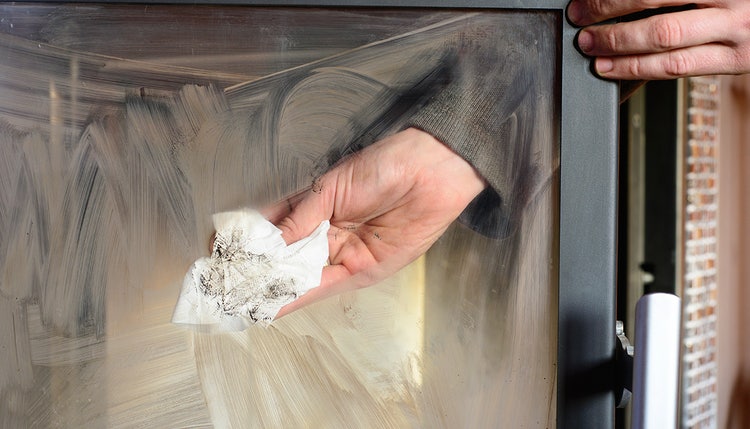
Look for smoke staining
Inspect the area around the fireplace opening and ceiling for smoke marks. These stains indicate drafting issues or possible flue damage. If you find any, book a chimney inspection before lighting a fire.
Step 2: Inspect the exterior of the chimney
Check the structure
Walk around your home and look at the chimney from the ground. Check for cracked bricks, missing mortar and damage to the crown or cap. Structural wear can let water enter the chimney and cause long term deterioration.
Look for obstructions
Use binoculars if needed to check the chimney opening. Look for leaves, debris or nests that may restrict airflow. If you can’t safely access the roof, contact a professional chimney sweeper.
Step 3: How to check your chimney before use each winter
Before you light your first fire of the season, run through this checklist:
- Shine a flashlight up the chimney to check for debris and creosote buildup.
- Remove any obstructions such as leaves or nests.
- Make sure your grate is the right size for your fireplace.
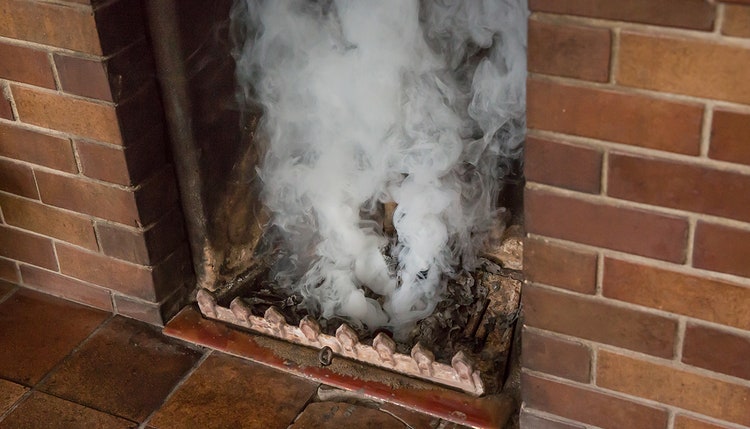
- Test the draft by lighting a small piece of rolled paper inside the firebox. Smoke should rise smoothly.
If airflow appears weak or you notice heavy residue, arrange a professional inspection before using your fireplace.
Step 4: When to call a professional
Contact a qualified chimney technician if:
- smoke enters the room instead of rising
- you notice cracks, gaps or damaged mortar
- the damper is stuck or broken
- creosote buildup appears thick, shiny or tar-like, or
- you feel unsure about your chimney’s safety.
Professionals can examine areas you can’t safely access, identify hidden issues and provide thorough chimney maintenance.
Step 5: Ongoing chimney maintenance tips
Regular maintenance helps your chimney stay safe and efficient. Follow these tips:
- Schedule a professional fireplace inspection once a year.
- Burn only dry, seasoned wood to reduce creosote buildup.
- Keep a working fire extinguisher nearby.
- Test smoke alarms and carbon monoxide detectors before winter.
- Avoid overloading the fireplace with large amounts of wood.
Protecting your home
Keeping your chimney in good condition is an essential part of home safety. Staying proactive with chimney maintenance reduces risks and ensures your fireplace works efficiently. When in doubt, have a professional inspect your chimney before lighting a fire.
Finally, it's always a good idea to make sure your home and belongings are insured in the case of a fire. Luckily, AAMI's Home Building and Contents Insurance can cover your building and contents if they're damaged by an insured event – provided your home is in good condition and has been properly maintained. You can find more information on limits, exclusions, and terms and conditions of this policy within the relevant Product Disclosure Statement.